
How to Prevent Interlock Frost Heaves Before Winter Strikes
There is nothing quite like the satisfaction of stepping out onto a beautifully laid stone patio or walkway. A well-designed hardscape acts as a natural extension of your home, providing a perfect gathering space during our brief but glorious warm seasons. However, as any homeowner in Antigonish knows, our winters can be relentlessly unforgiving. The dramatic temperature swings we experience between freezing nights and slightly warmer days create the perfect storm for one of the most frustrating landscaping problems: frost heaves.
Frost heaves occur when water trapped beneath your interlocking stones freezes and expands, pushing the pavers upward. When the ice eventually melts, the soil settles unevenly, leaving your once-perfect walkway looking like a jagged, tripping hazard. Not only does this ruin the aesthetic appeal of your property, but it also creates safety liabilities and can lead to costly repairs if left unaddressed.
As a locally-owned business with over 20 years of experience navigating this rugged climate, Mahoney Excavation & Landscaping has seen it all. We know that doing the job right the first time is the only way to protect your investment. In this guide, we will walk you through the essential steps and professional techniques required to keep your stone surfaces perfectly flat, safe, and beautiful year after year.
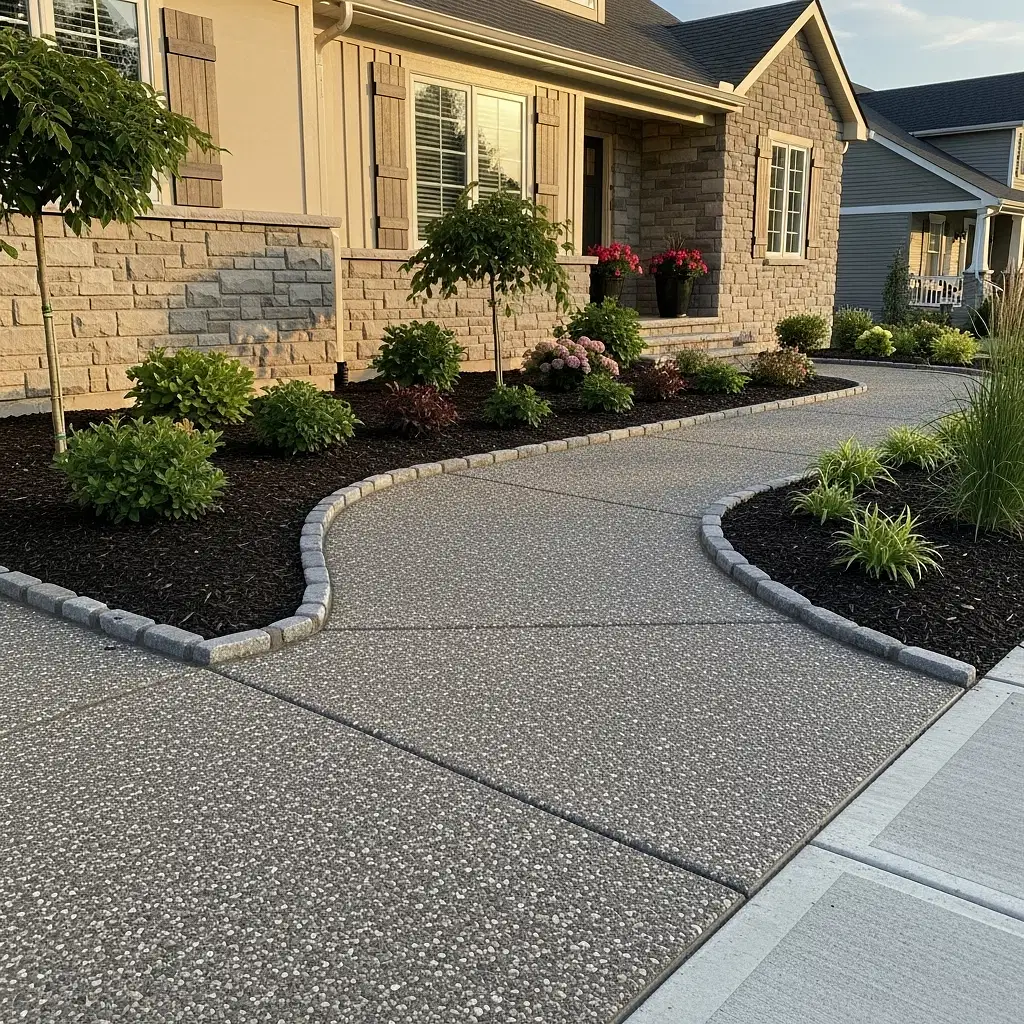
Understanding the Freeze-Thaw Cycle
To understand how to protect your property, you first need to understand the enemy. In our climate, the ground absorbs a significant amount of moisture from autumn rains and early snowfalls. As temperatures drop below freezing, this moisture turns to ice. Because water expands by about nine percent when it freezes, it needs somewhere to go. If the soil beneath your interlocking pavers is saturated and tightly packed, that expanding ice will push forcefully upward.
When homeowners ask us how to prevent frost heave in paver walkways, our answer always starts with managing water. Water is the root cause of almost all hardscaping failures. If you can keep water from pooling directly beneath your stones, you effectively eliminate the risk of heaving. This requires a comprehensive approach that looks beyond just the stones themselves and addresses the underlying soil, the base materials, and the overall slope of your yard.
Unfortunately, many unlicensed operators or DIY enthusiasts skip these invisible steps to cut down on the landscaping cost and finish the job quickly. But in the landscaping industry, what you don't see is just as right crucial as what you do see. Proper site preparation requires heavy machinery, specialized materials, and a deep understanding of soil mechanics.
The Secret is in the Base: Preparation and Depth
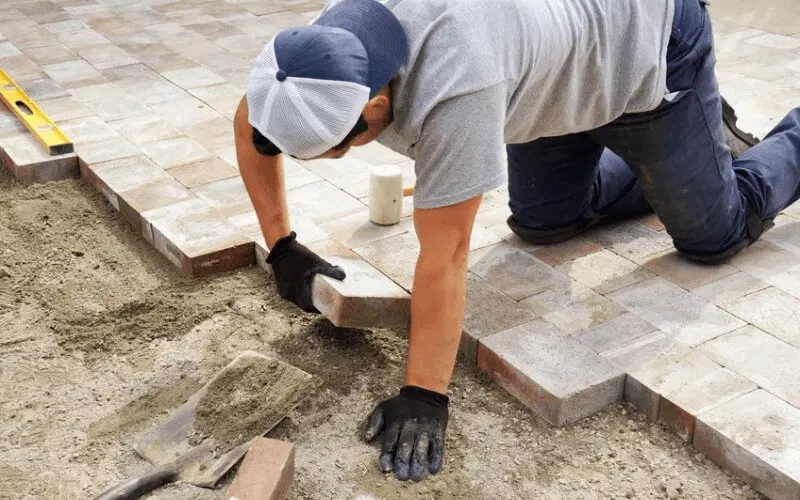
The most critical factor in preventing winter damage happens before a single stone is ever laid. Proper excavation and base installation are non-negotiable. So, what is the correct interlock base preparation depth for cold climates? For a standard pedestrian walkway or patio in our region, you need a minimum of 6 to 8 inches of compacted base material. For driveways supporting heavy vehicles, that depth should increase to at least 12 to 18 inches.
But depth is only half the equation; the material matters just as much. We never use native soils or clay as a base, because they hold water like a sponge. Instead, we use specific aggregates, such as clear stone or a well-graded gravel mixture, topped with a precise layer of bedding sand or crusher dust. These materials provide structural stability while allowing water to drain quickly through the base and away from the surface.
During our Interlock Installation process, we compact this base material in layers. Compacting every few inches ensures there are no hidden air pockets that could settle later. This detail-oriented craftsmanship is what separates a patio that lasts for decades from one that needs to be torn up and redone after a single harsh winter.
Don't Ignore the Slopes: The Importance of Grading
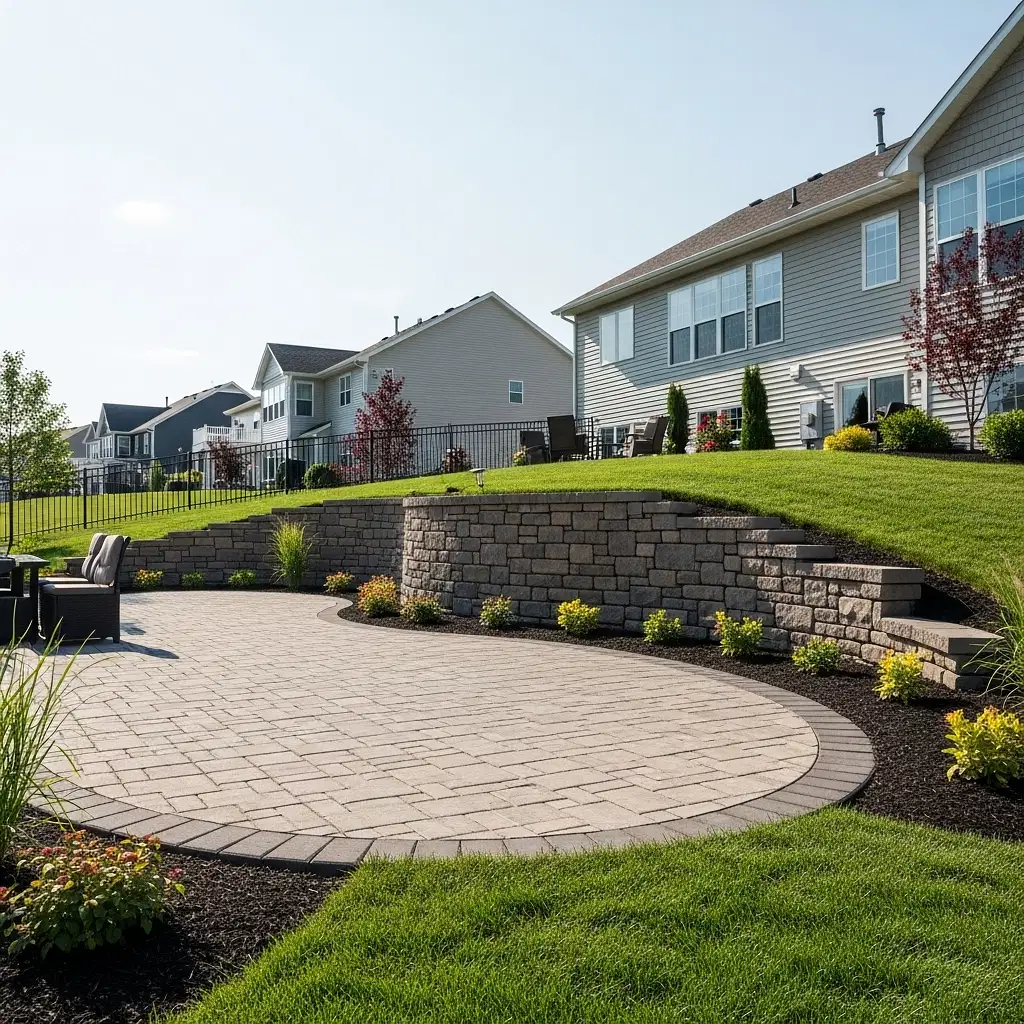
Even with the perfect base, your hardscaping will struggle if the surrounding terrain constantly funnels water toward it. Proper backyard grading to prevent interlock shifting is an essential piece of the puzzle. Your entire property should act as a unified drainage system, gently directing surface water away from your foundation and your hardscaped areas.
If you have a yard that feels like a swamp after a heavy rain, laying a new patio on top of it will only exacerbate the problem. Before installing pavers, we often need to reshape the earth. This might involve creating subtle swales, installing French drains, or building retaining walls to hold back sloped earth. Our professional Land Grading services ensure that rainwater and melting snow naturally flow away from your interlock surfaces, keeping the underlying base dry and stable before the deep freeze sets in.
Addressing drainage and grading early on provides peace of mind. You won't have to worry about looking out the window in February to see your beautiful new walkway buckling under the ice. It is a vital step in protecting your property value and ensuring your outdoor living spaces remain safe and functional.
Trust the Down Home Professionals
Preventing frost heaves isn't a matter of luck; it is a matter of science, proper materials, and hard work. While it might be tempting to hire the cheapest quote you find, high-quality landscaping services require a commitment to doing things right the first time. Cutting corners on base depth or ignoring drainage issues will only result in spending more money to fix the damage a few years down the road.
At Mahoney Excavation & Landscaping, we take pride in building hardscapes that stand up to the toughest weather The North Shore has to offer. Our team of industry professionals combines heavy-duty equipment with meticulous attention to detail to ensure your project is built to last. We are fully licensed, insured, and deeply committed to elevating the beauty and functionality of properties throughout our community.
If you are planning a new outdoor project, or if you need to fix a walkway that winter has already ruined, we are here to help. Reach out to us today to schedule a consultation and get accurate landscaping quotes for your next project. Visit our Contact Us page to speak with our team, and let us build you an outdoor space that you can enjoy for decades to come.