
Striking the Perfect Balance: Integrating Hardscaping and Softscaping in Your Backyard
When you envision the ideal outdoor space for your home, you likely picture a seamless blend of sturdy, functional gathering areas surrounded by lush, vibrant greenery. Achieving this harmonious look requires a careful balance between two fundamental elements of design: hardscaping and softscaping. Here in Antigonish, where we experience a diverse range of coastal weather conditions, finding that right mix is essential not only for aesthetic appeal but for the long-term resilience of your property.
Whether you are looking to build a new outdoor entertaining area or simply want to refresh your existing gardens, understanding how these two elements interact is the first step toward a successful project. Let us explore how you can blend structure and nature to create a welcoming, down home retreat right in your own backyard.
Understanding the Core Elements of Your Yard
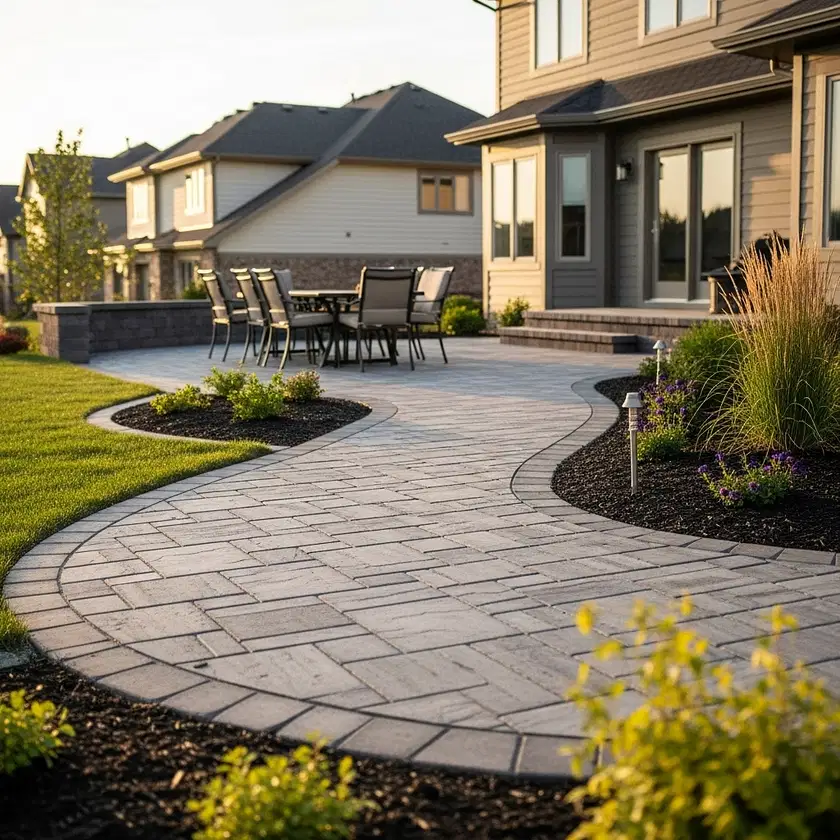
Before diving into design strategies, it helps to clearly define our terms. Hardscaping refers to the non-living, structural components of your outdoor space. This includes elements like natural stone patios, retaining walls, paved walkways, and wooden decks. These features provide the foundational skeleton of your yard, defining spaces for dining, walking, and relaxing.
On the other hand, softscaping encompasses all the living, horticultural elements. Trees, shrubs, grass, and vibrant flower beds fall into this category. If hardscaping is the skeleton of your outdoor space, softscaping brings it to life with color, texture, and movement.
A yard dominated entirely by stonework and concrete can feel cold and unwelcoming, while a property with only vegetation might lack functional space and structure, easily becoming overgrown or difficult to navigate. The magic of professional landscaping happens when these two forces are designed to complement one another.
Designing for the Coastal Climate
One of the unique challenges of property design in our region is ensuring your yard can handle heavy rains, winter freezes, and summer heat. When integrating structural features with living elements, proper drainage is a critical consideration. Poorly planned patios can direct water into your gardens, drowning roots, while improperly graded lawns can cause pooling around your stone walkways.
By strategically placing retaining walls and utilizing permeable paving options, you can naturally manage water runoff. Coupling these hard elements with strategic softscape choices—such as deep-rooted native plants that thrive in our specific soil conditions—creates a resilient ecosystem. Native plantings require less water, adapt better to our seasonal shifts, and provide stunning visual contrast against solid stone or brick.
When we approach a new project, we look at how the structural elements can protect and elevate the living ones. A well-placed stone wall can act as a windbreak for delicate garden beds, while the canopy of a mature tree can provide essential shade for a comfortable outdoor seating area.
Practical Tips for Balancing Your Space
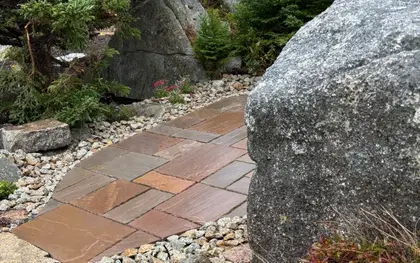
When planning your layout, a helpful guideline is the rule of thirds. Many successful designs dedicate roughly one-third of the space to structural elements and two-thirds to living elements, though this can easily be adjusted based on how you use your yard. If you frequently host large family gatherings, you might expand your patio space while using container gardens and vertical plantings to maintain a strong presence of nature.
To soften the rigid lines of stone and brick, focus on transition zones. Instead of a stark drop-off from a patio to a lawn, consider adding a transitional border. Professional flower bed design can beautifully bridge the gap between a geometric walkway and a sweeping lawn. Creeping ground covers planted between stepping stones or overflowing perennials cascading over the edge of a retaining wall help blur the lines between the built environment and nature.
Consider your maintenance preferences as well. Elaborate garden beds require consistent upkeep, while extensive masonry requires occasional sealing and joint sand replenishment. Working with experienced industry professionals ensures you choose a layout that matches your lifestyle and available time.
Bringing Your Vision to Life
Achieving the perfect harmony in your outdoor space is an art form that combines technical skill with an eye for natural beauty. By carefully planning the relationship between your patios, walls, and gardens, you can create a functional, inviting environment that adds lasting value to your home.
At Mahoney Excavation & Landscaping, we bring over 20 years of experience and detail-oriented craftsmanship to every project along The North Shore. As a locally-owned business, we understand exactly what it takes to build outdoor spaces that endure our unique climate while providing the perfect backdrop for your family's memories.
If you are ready to transform your property, we are here to help you navigate the process from concept to completion. Explore our comprehensive hardscaping services and our dedicated landscaping solutions to see how we can elevate your property. Reach out through our contact us page today to start planning a beautifully balanced backyard that you will enjoy for years to come.