
How to Prevent Your Septic System from Freezing in Cold Climates
Living in the Maritimes means accepting that our weather is wonderfully unpredictable, but one thing is certain: winter will eventually bring deep, ground-penetrating cold. For homeowners in Antigonish and the surrounding coastal communities, preparing your property for the deep freeze is a seasonal ritual. While most of us remember to stack the firewood and winterize our garden beds, there is one crucial component of your property that is often overlooked until disaster strikes: the septic system.
A frozen septic system is more than just an inconvenience; it is a messy, expensive problem that can disrupt your entire household. When the temperatures plummet and the frost line creeps deeper into the soil, the water in your pipes, tank, and drain field is at risk. But the good news is that with a bit of foresight and the right preparation, you can keep your system flowing smoothly all winter long.
Whether you have lived down home your whole life or are facing your first winter on the coast, understanding how your system interacts with the freezing ground is the first step in protecting your property.
Why Septic Systems Freeze
To understand how to prevent septic system freezing in winter, it is helpful to know exactly where and why freezing occurs. Septic systems rely on the natural heat generated by the biological breakdown of waste, as well as the ambient heat of the wastewater entering the tank, to keep things moving. However, this heat can be overwhelmed by extreme cold, especially in specific vulnerable areas.
The most common culprit for a frozen system is the pipe that leads from your house to the septic tank. If a toilet is constantly running or a faucet is dripping, that slow trickle of water doesn't carry enough heat to make it all the way to the tank. Instead, it slowly freezes layer by layer inside the pipe until a solid ice blockage forms.
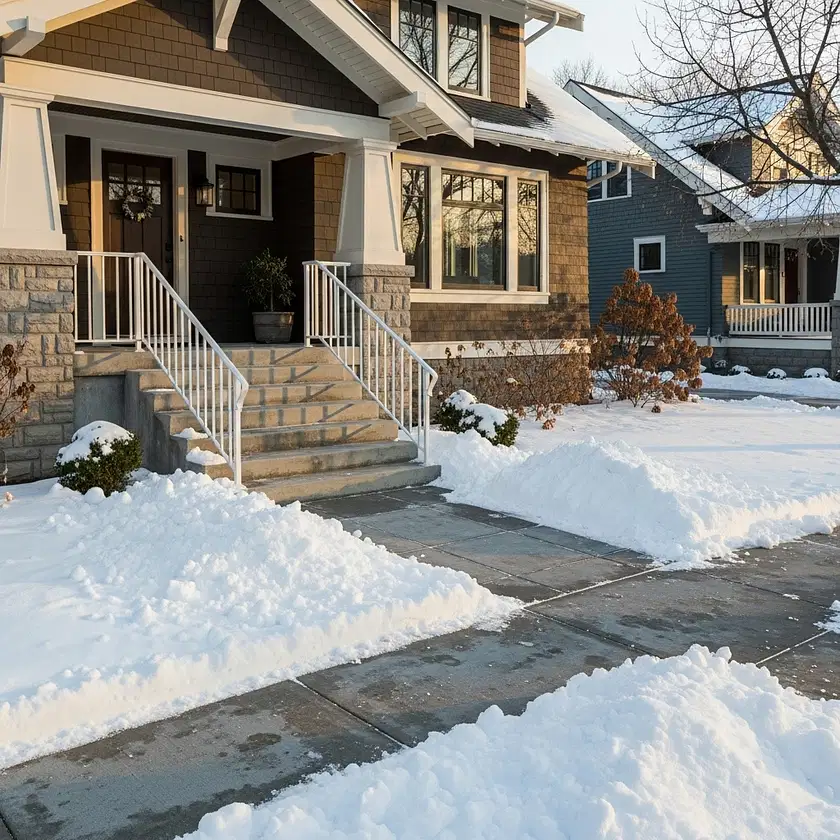
Another major risk factor is a lack of snow cover. Believe it or not, a heavy blanket of snow acts as a fantastic natural insulator. When we get a cold snap without any snow to protect the ground, the frost is driven much deeper into the soil. This is particularly dangerous for your drain field. Protecting septic drain fields from ground freeze becomes incredibly difficult if the soil above them has been compacted by heavy machinery, vehicle traffic, or even frequent foot traffic. Compacted soil loses its insulating air pockets, allowing the cold to penetrate straight down into your effluent pipes.
Proactive Steps to Protect Your System
If you want to avoid a mid-winter emergency, there are several practical steps you can take before the ground freezes solid.
First, take a walk around your yard in the late fall and look at the area over your tank and drain field. Stop cutting the grass over these areas as winter approaches. An extra six inches of grass will trap air and provide a surprising amount of natural insulation. You can also spread a thick layer of straw or mulch over the pipes and tank cover to keep the frost at bay. Just remember to remove this organic material in the spring so the soil can breathe.
Inside the home, fix any leaky plumbing fixtures immediately. Ensuring that wastewater enters the system in warm, high-volume bursts rather than a continuous, freezing trickle is essential. It is also wise to space out your water usage. Running the dishwasher, taking a hot shower, and doing a load of laundry at different times throughout the day provides your system with a steady supply of warm water, which helps maintain the internal temperature of the tank.
For systems that are particularly vulnerable due to rocky terrain or high bedrock, insulating shallow septic lines before winter is a critical preventative measure. Specialized foam insulation panels can be installed over the pipes during construction or retrofitted by professionals to act as a barrier against the descending frost line.
The Importance of Professional Installation and Excavation
Ultimately, the best defense against a frozen septic system is a properly designed and installed system. With over 20 years of experience navigating the rugged terrain of The North Shore, we have seen firsthand how taking shortcuts during the initial groundwork leads to catastrophic failures down the line.
Proper septic system installation requires precise calculation of the frost line, careful grading to ensure gravity does its job, and an understanding of the local soil composition. If pipes are laid too close to the surface or if the drain field is installed in soil that doesn't perk properly, you are almost guaranteed to face winter freeze-ups.
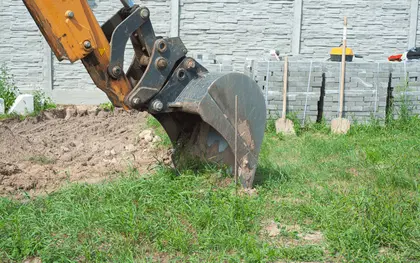
This is why expert excavation is so vital. It is not just about digging a hole; it is about managing the landscape. When a site is properly excavated, the soil structure around the drain field is preserved, preventing the compaction that drives frost deep into the ground. A professional excavation team will also ensure that surface water is directed away from the drain field, as saturated soil freezes much faster and deeper than well-drained soil.
Keep Your Property Safe This Winter
Dealing with a frozen septic system in the dead of winter is a stressful, costly experience that no homeowner wants to go through. By taking proactive measures like letting your grass grow long, fixing leaky faucets, and respecting the ground over your drain field, you can significantly reduce your risk.
However, if you are building a new home, experiencing recurring drainage issues, or looking to replace an aging system, getting the groundwork right is your most important step. At Mahoney Excavation & Landscaping, we pride ourselves on our detail-oriented craftsmanship and deep understanding of the local landscape.
Don't wait until the ground is frozen solid to think about your property's underground infrastructure. Contact us today to discuss your excavation and septic installation needs, and let our team of industry professionals ensure your property is built to withstand the harshest elements.